
Can Isolation Rooms Cause Harm?
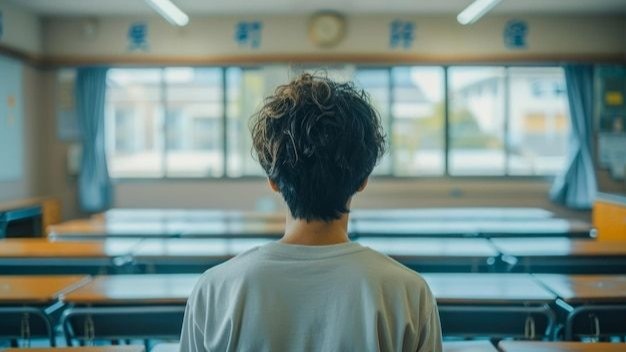
The BeeWell survey gathers data from 34,000 pupils at 121 mainstream secondary school across Greater Manchester, researchers using this data set have published some worrying findings on the use of internal exclusion or isolation rooms.
This practice is generally unregulated and unreported so it’s useful to have such large-scale information to draw on. They report that 1 in 12 pupils are placed in isolation at least once a week, and the average amount of time in isolation for those pupils is 8.44 hours per week. Researchers found children with Education Health and Care Plans (EHCPs) and pupils eligible for free school meals are more likely to find themselves in isolation as well as other vulnerable and minority groups. The impact of isolation is reported to be reduced sense of belonging, poorer relationships with teachers and lower levels of mental wellbeing. As the link between attendance and attainment is clear, it is not inappropriate to assume use of isolation for significant proportions of time will lead to lost learning. Researchers report differences between schools explained 6% of the probability of pupils reporting the use of isolation, with those schools with higher suspension rates proving more likely to use isolation
We have embraced Bee Well in Greater Manchester and use it to support our Whole School and College Approach (WSCA) to mental health through the Emotionally Friendly Settings (EFS) Programme and Salford’s Relational Approaches to Inclusion Guidance. We find our most forward-thinking schools and MATs are keen to get under the skin of these issues. Many of our schools have worked on their use of isolation rooms to minimise their negative impact without compromising the safety and smooth running of the school.
Salford Educational Psychology Service are keen to sense check these findings with you and your pupils. Does this apply to your setting? Do you want to find out how your use of these practices can be improved? Use your EPS Package of support or Thrive in Education offer to explore this topic further.
You can read the full research paper here: Lost Learning: Prevalence, inequalities and outcomes of internal exclusion in mainstream secondary schools
A flexible, whole setting approach to improving children and young people's mental health and emotional well-being
Latest blog posts
Find out more
If you've got any questions about Emotionally Friendly Settings please get in touch.